RADIO

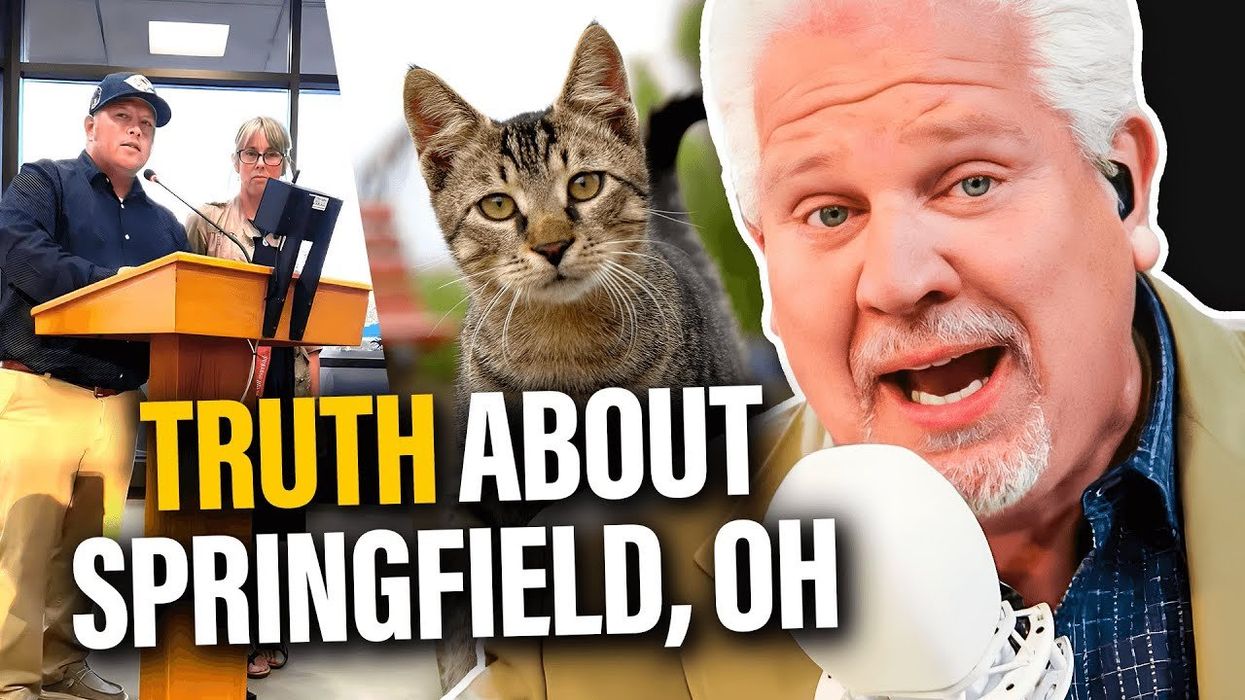
The REAL reasons Springfield, Ohio, residents are concerned about Haitian migrants

What’s really happening in Springfield, Ohio? Are Haitian immigrants eating ducks, geese, and pet cats, as internet rumors have claimed? Glenn speaks with Blaze Media National Correspondent Julio Rosas, who traveled to Springfield to find the truth. He tells Glenn that while he can’t speak to how widespread the issue of missing pets and ducks is, it has been raised by citizens “for months.” However, that’s not the only thing. “ANY ISSUE that the residents have been raising over the 20,000 Haitians being put into their city…a lot of the residents feel that the city commission is just not listening to their problems, or they’re not willing to do anything about it because there is a lot of MONEY involved in the decision.” Julio describes what he heard from residents — women feeling unsafe, the city not enforcing fire codes, landlords renting out BEDS, not houses. Plus, he explains why some residents have either started to embrace the “new normal” or are afraid to speak out.

Transcript

Below is a rush transcript that may contain errors

GLENN: Julio now is at -- in Springfield, Ohio.

Talking about the Haitian influx. To see what's really going on. He's our national correspondent. Julio Rosas, welcome.

JULIO: Yeah. Glenn. Thanks for having me.

GLENN: You got there yesterday?

JULIO: I got there late Monday night.

GLENN: Okay. Okay. So what have you found on the ducks and the geese and everything else?

JULIO: Well, I can tell you that it is an issue, that has been raised to the city for -- for months -- months before this -- this got brought to the national attention, you know, last week and into this week.

You know, I can't speak to how widespread it is. But it's been enough of a problem that people have been saying, hey, you know -- like, we've been seeing this. Like, I've heard about this.

Can the city look into it? And from my understanding, not just the duck issue -- you know, the pet issue.

But overall, any issue, that residents have been raising over -- over the 20,000 Haitians being put into their city.

A lot of the residents feel that the city commission is just not listening to their problems, or they're unwilling to do anything about it because -- because there is a lot of money, being involved in decisions. Because, you know, they're -- these -- these Haitians, they have jobs. That's why they're able to be here legally. They have protected status.

GLENN: Wait. Wait. Wait. Wait. They have jobs?

JULIO: Yes. That's --

GLENN: How did they do job placement for 15 or 20,000 Haitians?

JULIO: It's through a temp agency called First Literacy. It's based here in Springfield. And that's one of the tension points within the American citizens here. Is that everything seems to be revolved around accommodating the Haitians first. And the American citizens second.

And that's why they're upset at city commissions. Because the city commission appears that they want to make Springfield seem as accommodating as possible to the Haitian population.

Which includes, not towing cars of unlicensed drivers. Surrounding -- or, having to do that.

Because, you know, they're not very great drivers admittedly. It's called some people to be killed. There have been some accidents on the road. But Springfield in the past, have not been willing to toe their cars. Whenever there's an accident or whenever they're indicate driving recklessly. So that's one of the reasons why people no longer drive into Springfield.

I was in Fremont City, just five minutes to the North.

They no longer go to the Kroger or the Walmart in Springfield. They go to the cities up North to do the shopping. Because they say, even being on the road, it's too dangerous.

GLENN: I -- I've got to believe that a town that small. I mean, Kamala last night said, it was a mid-sized town.

No, it's not. That's -- 50,000 people is a small town in America. And I got to believe, you put 20,000 immigrants from anywhere, that are not, you know, looking to blend in. And be part of society.

I've got to believe, that has totally changed the culture. And if I were a resident, I would be pissed.

Who is the federal government to do this to my town?

Is that the feeling you're getting from people.

JULIO: Right. Yes. I was at the city -- so while most people were getting back from the debate last night, I was at the city commission meetings that they have.

And a few people spoke, to -- during the public comments portion, where one woman. She's 58. She's elderly. She lives on the south side of town. The south side of town is where most of the Haitians have been put. And are living at right now.

And she said, she doesn't even leave her house right now. Without her gun and her 120-pound pit bull. Because she has been followed. She has been groped by Haitians. She's been accosted verbally. And she said, I'm very worried about the women of this town, because they're very aggressive towards women. And it's -- and, you know, that was just one person. But there's a lot of -- you know, yes. The pet issue is one thing.

But even on the housing alone, what's been happening is that landlords have -- you know, you say you have a family of four. The landlords don't renew their lease with them.

And then they replace them with up to 15 Haitians.

They're not even renting.

They're not even renting the house.

They're renting -- they're charging them, I've been told, $200 a week for just the bed.

And it was explained to me, that the bed never gets cold because there's just a constant rotation of people that use it for those late hours.

Then they go to work. And then they come back, and it just starts all over again.

So you put -- you know, two sets of bunk beds in a room. That's six people. Right?

GLENN: That's the way it works in China.

JULIO: Yeah. Yeah. Can and so the landlords are getting a lot more money from this. And the city is not enforcing the fire code.

So that's a fire hazard.

When you have that many people, crammed into one -- you know, a two-bedroom, a one-bedroom place. And -- but you have 15 people inside. That's a fire hazard. But the city has refused to enforce the codes.

Again, to try to accommodate the Haitians as much as possible.

And American citizens, who haven't been able to afford to leave. They have ended up homeless.

There's encampments that spring up -- sprung up around Springfield.

It's not because of just homeless people, like Los Angeles, that are drugged out.

It's, they can't afford anything else.

And that's their only option.

GLENN: I have to tell you, if this were happening in my city and somebody came to enforce some sort of ordinance, you know, I was building a house. And they were like, you've got to get a permit for this.

Because we have to know for fire safety. I would tell them, go to hell.

When you decide to have everybody if along with your rules.

Then you can come see me. I mean, this is -- this is -- this is a -- a -- a national nuclear bomb, that is about to go off.

People are not going to tolerate this.

You know, I heard a guy yesterday, he was a vet.

And he was in Chicago. And he said, what is happening here?

We have vets on the street!

I'm barely making it.

We have homeless people. You're doing more for these -- these illegals, than you're doing for us.

And then he said, the key words.

He said, you need to do that, for us. As well.

Well, that's universal everything.

And they're pushing us into this.

This is -- you cannot push these cities to the brink like this.

This is Cloward and Piven.

And the result will be Communism. If Kamala has her way.

This is extraordinarily dangerous. What can be done to help Springfield, Julio?

JULIO: Well, that's interesting. Because, again, during the public comment section of the meeting last night.

I would actually say more people spoke in favor of just saying, well, the Haitians are here. There's nothing we can do about it.

We just need to work through it. As opposed to saying, we need to stop accepting Haitians.

GLENN: You've got to be kidding me.

JULIO: So it kind of appears, you know, from -- there's a sizeable amount of people who have just resigned themselves to this new reality.

And it doesn't seem like -- and, you know, obviously, that's just one snapshot of the community. But it -- but I also -- I also think that people are afraid of speaking out on the issue.

Because -- because of the national attention.

And just because of the environment that we're in.

They're afraid they will be called racist. They are afraid they will be called bigoted and everything else.

It's a small town. So everybody knows everybody.

And so I think that's part of the issue. But that in and of itself is a big problem. Because if you're not going to speak out about it. Then the loudest voices will get their way. Right? So in terms of what could be done with Springfield.

Nothing will change. Nothing will change, if Harris takes back the White House. And it's not going to be just Springfield. It will be more -- it will be, yeah, cities across the country.

And so I think it's significant, that -- I started my reporting, on the border crisis. It was always on the border.

And, you know, now we're hearing the end of the Biden/Harris term.

Her term. And I'm having to do immigration stories in America's heartland.

GLENN: Every town is a border town. We've been saying that for years now.

JULIO: At first, it sounded a little corny. You know, it didn't sound very -- but it is -- it is 100 percent true. And it's not just Chicago. It's not just New York City. It's not just Denver.

It is any -- any town can face this, within the next couple of years.

GLENN: Julio, we'll talk to you again, maybe tomorrow.

Thank you so much for the update. I appreciate it.

Julio Rosas. He's TheBlaze media national correspondent.

Now, let me say something. You're not going to fix this. Nothing will change, if you just acquiesce.

If you just go along with it. Well, there's nothing I can do.

Do you see that they're testing you again?

This is like COVID. Wear a mask, 6 feet apart. Stay in your house. No kids going to school.

They're -- they know what they could get away with on that. Now, what are they doing?

They're taking jobs. And giving them to illegals. Without taking care of our own people, first!

And you're just resigned to that?

Nothing will change, in this country. And, you know what, I believe Donald Trump was saved by the Lord. I believe that was a miracle, that he turned his head.

When you see the picture, of the bullet, as he's turning his head, that's a miracle.

It's a miracle that that guy got up, it's a miracle that that guy got up, and said, stand your ground.

Fight!

It's a miracle that that guy goes on stage every day.

He's actually in the fight.

And we're going to say, I don't want to be called racist.

That word has no meaning anymore.

No meaning. No words have meanings. If I may quote my mother, sticks and stones will break your bones.

But words will never hurt you.

You've got to stand up. If you don't, you will get what you deserve.

You will first become part of the problem. And then you will be part and parcel with the wrong side.

You know what's right. You must stand up.
BLOG

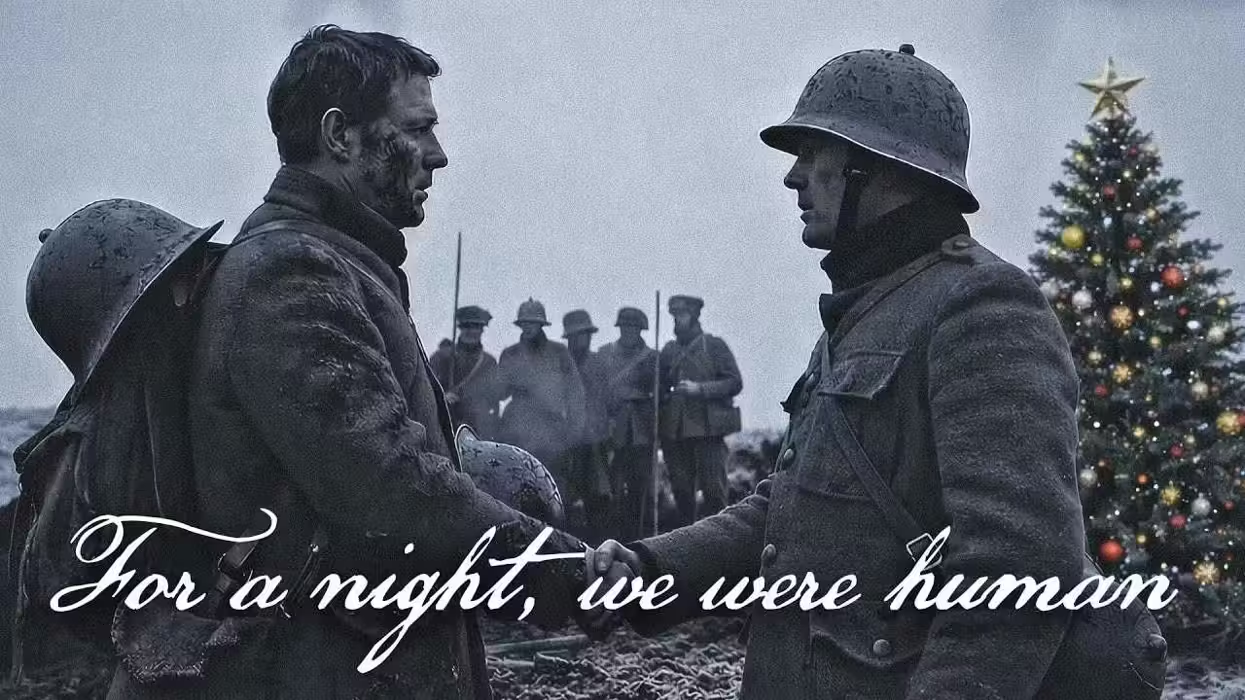
For a Night, We Were Human | The Christmas Truce Music Video

In the frozen trenches of World War I along the Lys River in 1914, amidst the relentless thunder of artillery, a miraculous unofficial truce unfolded on Christmas Day. British and German soldiers, weary enemies, emerged from the mud and wire to share gifts, songs, and stories of home together in the ruins. Produced by Glenn Beck in collaboration with AI, this poignant music video and original song recapture the true story of the Christmas Truce, reminding us that even in the darkest times, a single brave act or small light can awaken our shared humanity, allowing soldiers to lay down their weapons and remember they are human... just for a night.

Stay tuned at GlennBeck.com for more musical storytelling inspired by Glenn’s artifacts next year on Torch.

RADIO

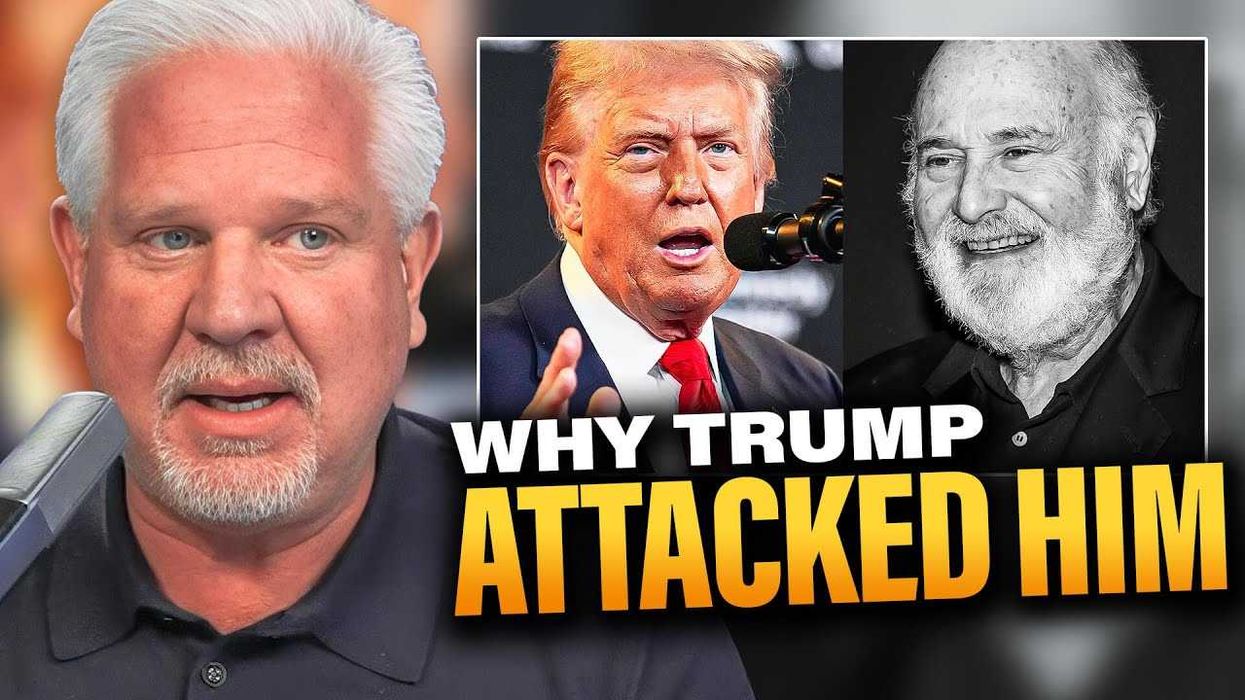
The HIDDEN history behind Trump’s controversial Rob Reiner comments

President Trump recently received heat from his own party over his comments about the allegedly murdered actor Rob Reiner. Glenn Beck explains why he believes Trump’s comments were not a good move, but also tells of a meeting he had with Trump that he believes explains why Trump hates TDS so much…

Transcript

Below is a rush transcript that may contain errors

GLENN: You know, I don't -- I don't -- I don't want to get into -- into the mix with everybody and personalities. I like -- my goal is to make things about right and wrong, and not about personalities.

But I do want to spend just a second on President Trump's post yesterday about Rob Reiner. It made me sad. It made me really sad. Because I like the president.

And -- and he doesn't help himself when he does things like this. But I think I understand this in a different way.

You know, the President has said, you know, all kinds of things about me at times when I disagree with him. He'll say, "Oh, he's just a failing fat blob," or whatever. And that's just him. That's just the way -- when he's in a fight, he is a -- he's a knife fighter. And I get it. I don't like it. But I get it. This was different. This was different.
And this was -- you know, you can say a lot of stuff politically about Rob Reiner. But politics didn't matter yesterday. We weren't -- I mean, that's not -- it just didn't matter. It didn't matter.

But I think to the President, it does. I saw a change in the President -- I've seen two changes in the President. I've seen a change in him when they started going after him and his family. After 2020. And they really started going after his family. And we know this because we showed you the documents. What they -- they had a plan. Take him down.

Take his family down to stop MAGA at all costs. Put them in jail. I mean, those are their words.

And it's -- it was frightening to read.

And I talked to the president, I don't know. Maybe six months after, you know, we were in 2021. Maybe six months. Eight months.

And I said, how are you holding up?

And he had talked a little about how he felt. He had really let people down because he had things going in the right direction. And now, look at it, and look how screwed up things are going to get. And how the economy is going to be damn near impossible to fix. It will take us time. But we can't fix it. Pragmatism, but they've just destroyed it. And I said, how are you personally.

How are you holding up?

And this is the first change I saw. He -- his body changed. And he said, they're going after my damn children!

And it was this Dad. All of a sudden, he wasn't the president or former president, he wasn't Donald Trump. He was a Dad. And it was every Dad response in him. And he said, "You don't go after our children."

And I saw him really, truly mad for the very first time, and it was righteous indignation.

Then after he was shot, I saw another change. I saw him recognize that God existed. I mean, I know he believed that in God. I don't know that he believed that God was actually part of, you know, the story. The everyday story. You know, I don't know how he views God in that way.

But I know that he recognized that God was in his -- in the story of America now.

Firsthand, he witnessed it. The reason why I said this made me sad yesterday, is because -- I don't agree with what he said. I feel -- it was -- it was sad.

Because he is -- he has been kicked in the head over and over and over again by some of these people, that he -- Christmas is about the baby Jesus coming again.

And what he can do in your life. And the biggest thing that he taught was, love your enemies. Don't hate them. But that's really, really hard to do. And the President isn't there yet. On this. And it -- it made me sad. How did you feel about it, Stu?

STU: I didn't like it at all. I think maybe the same as you. You know, one of the things that bothered me about it.

Because you hit many of the points that I had on it without the personal insight that is illustrative of -- of -- of what he's going through. I think there is something to understand there. You know, obviously I --

GLENN: Big time.

STU: One of the things that is difficult about life in your attempt to master it is to try to act the right way, even when you're faced with circumstances like that. And, you know, I get it. I get why he's angry and doesn't like the guy. The man -- you used a phrase, I think in there, where you said, he's a knife fighter. This guy was actually just in a legitimate knife fight and was murdered. It was a -- it was -- this actually really happened.

GLENN: Oh, yeah.

STU: And, look, my honest opinion is, it's indefensible. You know, I like President Trump. I think he does a lot of great things for the country. We've defended him on a lot of different things. A lot of times when he's being attacked, I think he deserves defense. In this case, you know, it is -- you know, it is what it is.

It is priced in to everyone's understanding of who Donald Trump is. And everything I heard about him in personal situations where he cares about the person. Is that he's very generous. He's very likable.

He's very -- he's one of those people that you like being around. You know, that is something that I've heard from tons of people. This part of him is really hard for me to square with what I've heard from -- from other -- from everybody that I've talked to, and has been on the inside with him.

And so I don't -- I don't have a defense for it. I think it's really bad. And I will say one more thing on this real quickly, Glenn.

I know a part of this that I think is difficult. In that, one of the things I took from the aftermath of that immediately was -- I don't know if pride is the right word. But like, I really liked the way conservatives responded to it.

We didn't do what they did, after Charlie Kirk.

We didn't do what they did after they shot the president. Right?

Like we -- they celebrated it. They -- they were horrible human beings, and I enjoyed the high ground, that we had there.

GLENN: Yeah. Me too.

STU: And it's difficult to make the argument that we have the high ground. When, you know, the President of the Republican Party. The Republican President of the United States, the most high profile person on, quote, unquote, our side, whatever that means these days, is a guy who, you know, kind of did some of the things that they did.

You know, so I don't -- I don't like that. I understand as part of Donald Trump. And I think if we're all adults here, we're able to kind of price that in and judge him on everything that he's doing. And when I mean pricing in. I think that's a negative part of him. Overall, you have to take everything into context.

GLENN: Right. And if we're all adults here, you know, we should be able to say, to those we love and respect, bad move. I didn't like that. Don't do that.

And I think, you know, I think because the left always says, well, you never take on your own.

Yes, we do. We take on our own, all the time. All the time. And I think it's important that we say, didn't like that. Thought that was a bad move. It didn't look good. It just wasn't right.

He's -- I wish -- and, again, though, I -- I'm not excusing it, but I am tempering it with none of us have gone through what he has gone through.

STU: So true.

GLENN: His family, somebody is shooting at him. He's being called fascist Hitler all the time. I mean, that wears on you and changes you.

And, you know, he's having a hard time forgiving that. And I kind of understand that. I wish he would take that on and take on the forgiveness, so he could be more a peacemaker in all of those things. But that is his own personal journey.

But --

STU: Yeah. And I think when we talk about like a terrible crime that's occurred.

GLENN: Sad.

STU: Like, I don't know. If there was -- think about some awful situation and at times you'll see -- he'll hear family members say the worst possible thing.

You know, if your kid is murdered. And by some -- somewhat of a particular area or group or whatever.

And they might react with just an awful thing about that group or area.

And you just. We all have a bit of understanding. Right?

A person going through a massively emotional thing.

And lashing out.

You want -- you know, the example you bring up all the time, Glenn.

Of the maybe -- the ultimate example of being able to have restraint was the Amish situation from years ago. Where, you know, you were talking about mass murder. And they were to the family's house that night, right?

And saying, we --

GLENN: Not that night. That afternoon.

I mean, within an hour. The kids were not even out of the schools yet. Their bodies were still laying in the school. And the Amish went, oh, my gosh. The killer is dead too.

He was a member of our community. His wife lives here.

What is she feeling? She's feeling completely alone. My gosh. What an example. I couldn't do that.

STU: Right. I don't even think I come close to that standard in that moment.

GLENN: No. But I would like to.

STU: That's the range. Some people act -- react really well. Some people react really poorly.

And I think we all understand the emotion and everything that takes over in a situation like that. And that has to be factored in, I think, to Trump. Of course, Rob Reiner wasn't responsible to the shooting. He was just a liberal who said bad things about Trump. And look, he's a very unique person. And a very unique situation, that I don't think anyone in the world has ever experienced.

You know, what happened with him over his life.

But may I just say, you still haven't forgiven RFK Jr for what he said about me.
(laughter)
Okay?

STU: As I said, I'm not Amish. You know, I like technology. I don't have any wagons. I didn't say I'm perfect.

GLENN: Right.

STU: No. I have -- I have -- I have absolutely forgiven RFK Jr for what he said. And if you didn't know, he accused Glenn of being a traitor. He said, he should be charged with treason. The penalty of which is death.

So, you know, I don't like that. And RFK Jr. I don't like for a lot of his policies. Some of them, by the way, I do really like. Some of them, I think are really positive. I could give you a list of some of the negative things he's done as well.

GLENN: I can too.

STU: That doesn't mean -- I certainly was find that to be an appropriate context, when the embrace of RFK Jr is occurring.

I think we need to understand what people are, and what they're doing. If he's apologetic about that, I do forgive him in that sense. Do I want him on the show and promoting all his books and his candidacy?

No. I did not -- I did not like that. But, you know, a lot of people do. I will say is, you're right, though.

We all have our hang-ups.

GLENN: I do. I certainly was.

STU: I will say this, though.

And, you know, again, all the context here. I know people are really defensive of Donald Trump, appropriately.

Because of the fact that he's targeted unfairly. I understand why people are defensive of him. I can tell you this. I really don't like RFK Jr.

He's one of my least favorite people in politics. I'm just not a fan. I could give you other names of people. Most of them revolve around Olivia Nuzzi, who whatever. I don't have feelings about her. But the story was packed with people.

GLENN: Yeah.

STU: Cuomos for sure.
GLENN: Yeah.

STU: God forbid, one of these people that I really don't like, was murdered and his family and his spouse.

I can promise you. I can promise you, I will not be tweeting anything like what Donald Trump tweeted.

That is just a -- is a -- is a situation where I understand -- I understand the context around it, that we just discussed.

I don't think there's a defense to it. I think there's something, I really hope he has an awakening to at some point.

GLENN: I think that is enough to be said on that.

Now maybe we should examine ourselves, and say, where do we have that hardness in our heart that we should learn from and remove this holiday season?

RADIO

Why America's "Surveillance State" Has Proven to be a TOTAL Failure

America is facing a shocking security breakdown—from a mass shooting at one of the most heavily surveilled campuses in the United States to a deadly ISIS attack in Syria that exposes the cracks in U.S. intelligence and foreign-policy strategy. As surveillance systems fail, former extremists gain power abroad, and radical Islamist networks globalize their reach, the West is confronting a threat both inside and outside its borders. This episode uncovers the uncomfortable truth behind Brown University’s unanswered questions, Syria’s escalating instability, and why the West may be running out of time to get its own house in order.

Transcript

Below is a rush transcript that may contain errors

GLENN: I wanted to bring Jason in -- I wanted to bring Jason in because the news that we talked about a minute ago in Australia, then Brown.

There's some weird stuff happening with the Brown shooting. And we -- we don't know much about that. And also, Syria. So let me start with Brown University, Jason. Why is this one weird, as our chief researcher, why is this one weird?

JASON: Well, there comes a point where, you know, as a society, we just end up getting used to the massive surveillance state we live in. And I think we're just like, okay. Fine.

We're never not going to be surveilled 24/7. Maybe there's some benefits to it.

Well, no!

It doesn't seem that way. Because the people were asking the people at Brown. Like, how is it that you have not fully identified the shooter yet? And that's a very good question. Because if you go back to around 2021, there were people writing about how Brown University was one of the most surveilled campuses of the United States.

GLENN: How is it we only have one picture of this guy from the back?

JASON: Right!

GLENN: Apparently the one thing that will help you get away with any crime is a hoodie.

JASON: Yeah. Wear something over your head and a coat.

Apparently, that foils the entire surveillance state. Also, we have nothing to worry about with surveillance. I don't know.

GLENN: Yeah. Right. Right.

JASON: And on top of that, Kash Patel, the FBI director said that they sprung into action. And they activated their cellular monitoring system to help identify the person that has now been let go. Again, that's another layer of this surveillance state that I think a lot of us have been worried about.

And that didn't do anything either. That helped give us the wrong suspect? What is all this stuff for?

It's not keeping us safe, that's for sure.

GLENN: Hmm. I don't want to jump to any conclusions on, you know, what we have, what we don't have. I'm assuming that they have more. They just haven't shown it.

I would like to -- you know, we could help. You show us some pictures.

I think it's odd.

What happened in Syria over the weekend with al-Qaeda.

JASON: Yeah. In Syria.

There's a ton of news, especially involving ISIS, who is very much active and still very much planning attacks.

GLENN: So wait. Wait. Wait. Was this ISIS, or was this al-Qaeda?

JASON: This is ISIS. That's what they're saying. They're saying it's a lone ISIS perpetrator. The location was symbolic as well. The location as in or around Palmyra. Which, I don't know if you remember, that was a scene of a gruesome ISIS video back at the height of their caliphate, where they behead a lot of people in that area.

GLENN: Right. Right. Yes. That's where they lined them up in the orange jumpsuits. Remember everybody was kneeling down in the sand. And they started beheading people. Yes, I remember.

JASON: It was one of those UNESCO sites with ruins all around. And it was very crazy. Brutal video. But another brutal attack. I believe it was three US service members that were killed in this attack. There's a lot of speculation about to go, on if this person was working. I think he was actually at a time working with the security services that are in Syria right now, under the new president. He -- he could have been, you know, a sleeper in that organization. Who knows? But for -- the one thing I do know. And I don't understand the direction we're moving in Syria. I don't understand how a former al-Qaeda guy suddenly is an all right guy because he puts a suit on. And now he's the president of Syria. And he's our ally.

I don't understand that. The Trump administration, maybe they have more information, that I don't know.

I would love to get more of an explanation on this.

As of now, I don't see this going any direction other than a whole lot worse.

You look around that entire area. You have a former al-Qaeda guy now the president of Syria.

You have the rest of Syria, an absolute Dumpster fire. You have Iraq. I hesitate to call these countries.

They're so far down the sectarian, you know, spiral that this is.

But I don't see how this is going to go anywhere, but south, from here on out.

We're in an absolute war with these radical Islamists. And it's not just in the Middle East. It's globalize the intifada has landed on shores all over the world. And while there are politicians that will not denounce that. That is exactly what's happening. Sorry!

GLENN: So I think that's where -- I think that's what -- that explains Trump's thinking. That Trump does not want these everlasting wars to go on.

He does not want to be fighting in the Middle East. He doesn't want to really be fighting anywhere. He will, if he has to. But he's focused more on the American homeland. And the American hemisphere.

And so I think he is -- I think he's letting the Middle East take care of itself.

And as long as they can all get along with each other and Israel.

And recognize that, you know, Iran and the -- the -- the al-Qaeda, the, you know, Muslim Brotherhood. Et cetera, et cetera.

Trying to coax them all into. Hey. These are kind of your enemies here.

You know, ISIS is a big enemy to us and to peace.

And I think he's hoping that they will start to take care of themselves. Whether they will or not, I don't know. You know, it's never happened were. But it's worth trying. We've been playing this other game of us getting involved in everything for 100 years. We know that doesn't work.

So I'm guessing what Trump is thinking is, we know that doesn't work. We're not going to do that. Let's try to give peace a chance, and help them stomp this out, because it will be prosperous for all of them and plant those seeds as deeply as you can to see what happens. But we're not getting involved in any of that. I have a feeling, but there will be a military response to this, I'm sure. Won't you agree?

JASON: Oh, one hundred percent, and to tack on to what you're saying, I would hope that the President would go with his gut on this.

Because the previous ways this has been handled with Islamists, especially in this area. They've screwed it up.

They don't know what they're doing. Although, they think they know what they're doing. I'll go back to history. The Iran and Iraq War. We supported both size on that. In a similar -- in a similar strategy. So we're like, okay. We don't like either one of these groups. Sectarian groups to get too large. Let's fund this country at the same time we fund this country. We'll arm them. They'll fight each other, and they'll be fine. We do that all the time.

So now, the only thing I can think of is that's what they're thinking with the Syria president, this former al-Qaeda guy. Okay. Well, fine. They'll be anti-Iran, so they can counter Iran.

It's literally the same exact strategy, that they're going for. And I get it. That means that we don't have to get involved. I guess in the initial point.

But we always end up having to get involved after the fire erupts and --

GLENN: We know -- look, I think he's trying to buy time, quite honestly. Get us out of that.

Let us recover, and hopefully not go back to it. Try to buy hopefully some real peace.

But we all know how this will end. It's never going to work in the long-term. Because we as the West have to concentrate on our own homelands. You're seeing that with what happened in Australia. We have let the barbarian into the gates. And we've got to focus on that. We've got to get this cancer, cut out of our own societies. Because it's not good.

RADIO

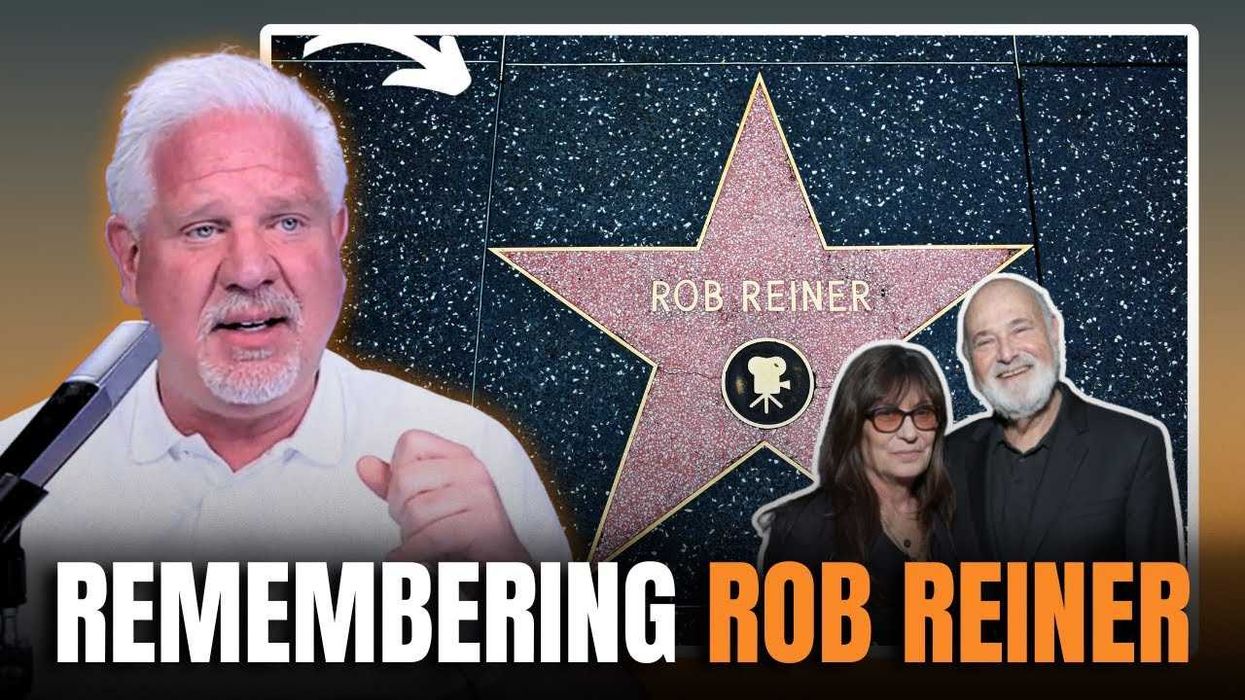
'Life is FAR Bigger Than Politics' - Glenn Beck's Spot-On Reaction to Rob Reiner's Death

Hollywood is mourning after the shocking and heartbreaking deaths of Rob Reiner and his wife—an iconic creative force whose films shaped generations. Glenn Beck reflects on Reiner’s extraordinary legacy, the tragedy surrounding his final moments, and the humanity he showed even toward those he disagreed with politically. This emotional tribute explores Reiner’s impact, the devastating circumstances of his passing, and why his work—and his character—left a mark far beyond Hollywood.

Transcript

Below is a rush transcript that may contain errors

GLENN: it's so sad that Rob Reiner thing is so sad.

I mean, I don't -- I think -- Stu, correct me if I'm wrong. If he hadn't have done This Is Spinal Tap -- A Mighty Wind, Best of Show, for your consideration, any of those would have been able to have even been made. Because this is Spinal Tap. Rob Reiner directed, but it was still Christopher Guest. I think it was Harry Shearer that wrote it.

STU: And Michael McKean, yeah. Yeah, so theoretically, those movies could have been made, but I don't think any of them get made without Spinal Tap. And I don't think Spinal Tap gets made without Rob Reiner. Because they needed somebody attached to it that would be able to bring that to life.

GLENN: I mean, what a legacy he and his father brought to television.

I mean, think, Carl Reiner did your show of shows, which was Mel Brooks and Woody Allen with Carl Reiner writing that. Imagine That. Then he bought the Dick Van Dyke show and a million -- a million other TV shows and movies he was responsible for. And then his son starts with All In the family, and brings us all these classic movies, and the way they died this weekend, is just horribly, horribly tragic. Horribly tragic.

STU: Yeah. And it's not just Spinal Tap, which is a big one. Princes Bride.

GLENN: Oh, I know.

STU: Some of the movies --

GLENN: Harry Met Sally. Gosh, so good. So good.
STU: So many things.
GLENN: Stand By Me. One of my favorite movies.
STU: Oh, yeah. Jeez.
GLENN: Just great moves. Just great movies.

GLENN: So Rob Reiner met his wife in 1989. They have been together ever since. They live in Brentwood, which is a suburb of Los Angeles. It's -- their house is 2 miles away from where Nicole Simpson Brown was -- was discovered and killed.

Officers were called to Brentwood, to their home. All they said at first was, a man and a woman found with stab wounds. That's what came out over the radio. They were dead. And then friends started to show up. Billy Crystal was there. He came into the house. Reporters say he left looking horribly shaken. Larry David, who is a neighbor, he came in. Same story. It was confirmed that Rob Reiner and his wife were killed and brutally murdered: stab wounds.

We knew early this morning that the guy who might have done it is their 32-year-old son. His name is Nick Reiner. He's a screenwriter and also -- he's a guy who has battled drugs and alcohol and homelessness. He said at one point, I was homeless in Maine. I was homeless in New Jersey. I was homeless in Texas. I spent nights on the street. I spent weeks on the street, and it wasn't fun. That's what he said to People magazine in 2016. I don't know the latest on him.

But he has been just arrested for the murder of his mother and father. Just horrible!

Just horrible. I mean, Rob Reiner was one of those guys that I was always sad that, you know, we disagreed. And -- I'll be kind to him here.

Neither of us could ever find our way to talk to one another.

Because I really admired him.

I really liked him.

I didn't like him politically.

That's such a small part of life. I mean, gosh. He did When Harry Met Sally. He did the Princess Bride. This is Spinal Tap. He did A Few Good Men.

Stu, look up -- look up his work. He's responsible for some of the best movies ever. His father was a genius. It is so sad that Carl Reiner, Rob Reiner, and then now that is broken by the third generation. The son!

And it ends this way. He brought so much joy -- to just me. I'll speak for me. His movies have brought me so much joy, just the Princess Bride alone. But so sad. So incredibly sad.

And to be killed by your -- it's one thing I guess to be killed by your stranger, and that's bad. But to be killed by your own son. Oh!

STU: Glenn, listen to this -- late '80s. Early '90s. Quickly.

1984, this is Spinal Tap. '85, The Sure Thing. '86, Stand By Me. '87, The Princess Bride. '89, When Harry Met Sally. 1990, Misery. 1992, A Few Good Men. I mean, that is -- that is a run!

GLENN: Wow! Wow! Just -- just brilliant, brilliant guy from a brilliant family.

I'm glad his father isn't here. I mean, his father just died, what?

A year ago. Two years ago.

Mel Brooks is still alive, which this has just got to kill Mel Brooks.

Gosh, poor Mel Brooks. The tragedy.
By the way, I want to show you how Rob Reiner for as politically different as we were, and we were extraordinarily politically different. I want you to listen to how he handled the death of Charlie Kirk.

VOICE: When you first heard about the murder of Charlie Kirk, what was your immediate gut reaction to it?

VOICE: Well, horror, absolute horror.

And I unfortunately saw the video of it. And it's -- it's -- it's beyond belief. The -- what happened to him, and that should never happen to anybody.

I don't care what your political beliefs are. That's not acceptable! That's not a solution to solving problems. And I felt like what his wife said at the service -- at the memorial they had. Was exactly right.

And totally, I believe, you know, I'm Jewish. But I believe in the teachings of Jesus, and I believe in do unto others. And I believe in forgiveness. And what she said was beautiful. And absolutely -- she -- she forgave his -- his assassin.
And I think that -- that is admirable.

GLENN: I mean, how many -- how many other people did that? Especially for as vehemently as he disagrees with the right.

He was a human being. And I think that's why his -- I think that's why his films lasted and connected with us. You know, I mean, in a lot of ways, his films were a little like John Hughes' movies.

John Hughes was -- I mean, he was lightning in a bottle.

And there was something. And I think that something in many ways, was John Candy.

But there was something about the John Hughes movie, that connected to us on a basic level.

You know. That -- that spoke to us, deeper than just a movie! Or a script.

You know, it -- it came from a place that was real.

And I -- I think of Peter fall. And

What's his name?

I can't remember. He used to be in the wonder years. It was the little kid on Princess Bride, that -- that just those scenes alone -- just those scenes alone were so real! So real. When Peter Falk turns around and says, as you wish. It -- by the end of the movie, you felt that deeply.